Protein Energy Drinks: Why They’re Trending & How We Help Brands Manufacture Them


The Rise of Protein Energy Drinks

If you’ve noticed protein energy drinks popping up everywhere, you’re not alone. As a beverage co-packer specializing in functional beverages, we’ve seen a massive rise in brands wanting to create drinks that deliver more than hydration. Today’s consumers want energy, protein, convenience, and flavor—all in one can.

Protein energy drinks do exactly that. They combine:

  • refreshing carbonation
  • meaningful protein
  • caffeine for energy
  • functional support

Unlike traditional thick, milky protein shakes, clear protein energy drinks are light, sparkling, and incredibly refreshing—making them one of the most exciting beverage innovations on the market.


What to include in Protein Energy Drink formulation?

A protein energy drink is a clear, carbonated beverage that blends:
✔ protein (often 10g+ from clear whey isolate)
✔ caffeine (commonly around 200mg)
✔ B vitamins or functional nutrients
✔ zero sugar or low sugar options

This creates a crisp, flavorful drink that supports:
• energy
• performance
• satiety
• focus

No chalky texture. No shaker bottle. No heavy aftertaste.


Why Consumers Love Protein Energy Drinks

Protein energy drinks appeal to nearly every lifestyle group. They are ideal for:

  • fitness and gym consumers
  • busy professionals
  • parents needing all-day energy
  • students
  • wellness-focused consumers
  • anyone who wants function + flavor


They’re great for:
• mornings instead of coffee
• pre-workout or post-workout
• afternoon pick-me-ups
• on-the-go moments

Because of their caffeine levels, most brands recommend avoiding them if pregnant, breastfeeding, underage, or caffeine-sensitive.


Key Benefits of Copacking Protein Energy Drinks

From a consumer perspective, protein energy drinks offer:

Protein Support
Clear whey isolate provides a clean, easily digestible protein source.

Sustained Energy
Many formulations include about
200mg of caffeine, similar to strong coffee or popular energy drinks.

Refreshing Carbonation
They taste like a sparkling beverage—not a protein shake.

Zero Sugar Options
Appealing to health-conscious consumers and diet lifestyles.

B Vitamins
Supporting normal energy metabolism and wellness.


When Do People Drink Protein Energy Drinks?

One of the biggest reasons protein energy drinks are exploding in popularity is versatility. They can be enjoyed:

✔ first thing in the morning
✔ before workouts
✔ after workouts
✔ during long workdays
✔ while traveling
✔ anytime energy + protein is needed

They bridge the gap between energy drinks, protein shakes, and functional beverages, making them a favorite across multiple beverage categories.


Why You Should Launch A Protein Energy Drinks

Protein energy drinks sit at the intersection of several powerhouse beverage markets:

  • Energy Drinks
  • Fitness & Performance Beverages
  • Zero-Sugar Drinks
  • Functional Lifestyle Beverages

This means massive consumer demand, strong repeat purchase potential and exciting innovation opportunities.


From tropical flavors to berry blends to dessert-inspired experiences, the category allows brands incredible creative flexibility.


How We Help Brands Copack Protein Energy Drinks

As an experienced protein energy drink beverage co-packer, we partner with brands to take their protein energy drink idea from concept to shelf. Our team helps with:

• beverage formulation support
• sourcing high-quality ingredients
• protein stability & clarity
• carbonation expertise
• taste + flavor development
• regulatory + compliance guidance
• scalable manufacturing & production
• packaging & filling solutions

Whether you want something similar to leading market brands or an entirely unique concept, we help you build it.


Ready to Launch a Protein Energy Drink?

If you’re exploring the idea of launching a protein energy drink, now is the perfect time. Consumers are craving functional beverages that deliver real benefit with incredible flavor—and this category is only growing.

Let’s build something powerful together.


Contact our team to learn more about protein energy drink manufacturing, co-packing, formulation, and development support.
Lavender beverages are trending across RTD, functional drinks, and specialty coffee. Learn how to fo
May 5, 2026
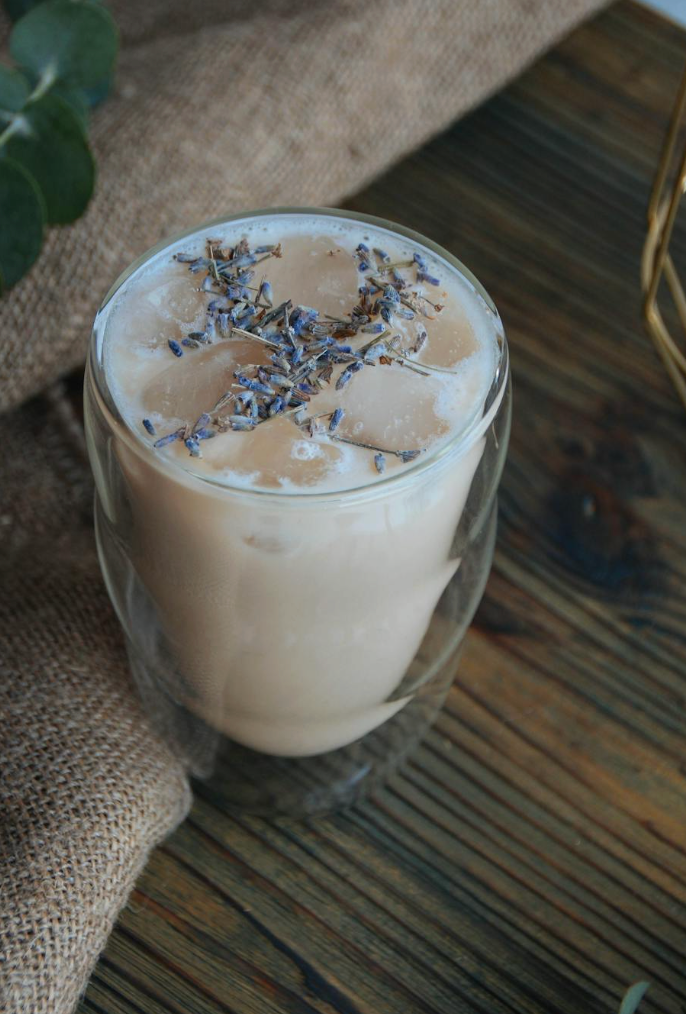
Lavender Beverage Formulation: Trends, Benefits, and Copacking Opportunities As botanical beverages continue to expand across the functional and premium drink categories, lavender has emerged as a standout flavor. Once considered niche, lavender is now gaining mainstream attention—especially with launches like the Starbucks Lavender Latte—signaling a broader shift toward floral, calming, and experience-driven beverages. For beverage brands and co-packers, lavender represents more than a flavor trend. It’s a formulation opportunity rooted in wellness positioning, sensory differentiation, and premiumization. The Rise of Lavender in Beverage Innovation Consumers are moving beyond traditional fruit flavors and looking for something more layered—something that feels intentional. Lavender sits at the intersection of: Botanical and plant-based ingredients Functional wellness (calm, stress support) Premium, café-inspired flavor profiles It offers formulators a way to create beverages that feel elevated without becoming inaccessible. Functional Benefits Driving Consumer Demand Lavender’s appeal goes deeper than taste. Its long-standing association with relaxation and balance makes it especially relevant in today’s stress-aware consumer landscape. Calm and Stress Support Lavender is widely recognized for its calming properties. While much of its research comes from aromatherapy, the association alone carries strong consumer appeal in beverage form—especially in “wind-down” or evening-positioned products. Sleep and Relaxation Rituals Lavender is often used in nighttime teas and functional drinks designed to support rest. When paired with ingredients like magnesium or chamomile, it becomes part of a larger ritual-based product experience. Digestive and Antioxidant Support Lavender contains plant compounds that align with clean-label, antioxidant-focused formulations—an added benefit for brands looking to position their beverages as both functional and natural. Technical Considerations in Lavender Beverage Formulation Lavender is powerful—and that’s both its strength and its challenge. 1. Flavor Precision Lavender must be dosed carefully. Even slight overuse can result in a soapy or perfumed taste that turns consumers away. In most successful formulations, lavender acts as a top or mid note , not the dominant flavor. 2. Ingredient Formats Each lavender format behaves differently in production: Lavender Extracts : common for scalability and consistency Essential Oils (food-grade) : Highly concentrated; require precise dosing and emulsification Dried Lavender Infusions : Ideal for teas but less consistent in RTD applications Syrups/Concentrates : Useful in foodservice and specialty beverages For co-packers, extracts tend to offer the best balance of control, stability, and throughput efficiency. 3. Solubility & Emulsification Lavender oil components are not naturally water-soluble. Formulations using essential oils require proper emulsification systems to maintain clarity and stability—especially in RTD beverages. 4. Stability & Shelf Life Botanical flavors can degrade over time, particularly when exposed to light and heat. Proper packaging (UV-protective bottles or cans) and stability testing are essential. Flavor Pairing Strategies That Work Lavender rarely stands alone. Its success depends on thoughtful pairing. High-performing combinations include: Lavender + Lemon (bright, refreshing, highly marketable) Lavender + Blueberry/Blackberry (balances floral with depth) Lavender + Honey/Vanilla (soft, comforting profiles) Lavender + Matcha or Green Tea (functional, earthy balance) Lavender + Coffee (emerging café trend with strong upside) These pairings help anchor lavender’s floral notes, making the final product more approachable. Beverage Categories Ripe for Lavender Innovation Lavender’s versatility allows it to move across multiple beverage formats. Sparkling Waters & Functional Sodas A natural fit for low-calorie, clean-label beverages. Lavender adds a premium edge to otherwise simple formulations. RTD Teas & Herbal Beverages One of the easiest entry points for lavender. Works well in relaxation-focused blends. Coffee & Café-Style Drinks The success of lavender lattes signals growing consumer openness to floral coffee profiles—an area with strong innovation potential. Adaptogenic & Functional Beverages Lavender pairs well with trending ingredients like reishi, ashwagandha, and L-theanine, reinforcing a calm-focused product narrative. Lemonades & Juice Blends Lavender lemonade remains a standout—visually appealing, refreshing, and highly consumer-friendly. Copacking Considerations for Lavender Beverages For brands entering the lavender space, working with an experienced co-packer is key. Important factors include: Precise flavor calibration at scale Ingredient sourcing and consistency Stability testing and shelf-life validation Emulsification capabilities (if using oils) Flexible batching for botanical formulations Co-packers who understand botanical ingredients can help brands avoid common pitfalls—especially around flavor imbalance and product instability. Market Positioning: More Than a Flavor Lavender signals something deeper to consumers. It represents: Calm in a high-stress world A pause, a ritual, a moment A beverage that feels intentional—not just consumed This emotional connection is what elevates lavender from a trend to a category driver.  Lavender isn’t just entering the beverage market—it’s reshaping how beverages are experienced. For brands and co-packers willing to approach it thoughtfully, lavender offers the opportunity to create drinks that are not only distinctive in flavor, but meaningful in how they fit into daily life.
January 14, 2026
Modelo joins the non-alcoholic beer trends and so can you! We can help with your non-alcoholic beer manufacturing project and non-alcoholic beer formulation.
October 8, 2025
If you’re looking to manufacture a non-alcoholic champagne or non alcoholic sparkling wine, here’s a start-to-finish guide to help you through the process.
September 30, 2025
How to guide for ready to drink (RTD) protein beverages. From RTD protein beverage formulation, RTD protein beverage co packing, to RTD protein beverage packaging, we are here give you guidance.
September 22, 2025
We explore more about non-alcoholic wines, specifically dealcoholized wine manufacturing. Big Brands can copack dealcoholized wine and provide dealcoholized wine formulation
February 27, 2025
Non-alcoholic beverages co packing just got even more popular! We can help you make a non-alcoholic alternative. Manufacturing non-alcoholic spirits, non-alcoholic wine, non-alcoholic beer